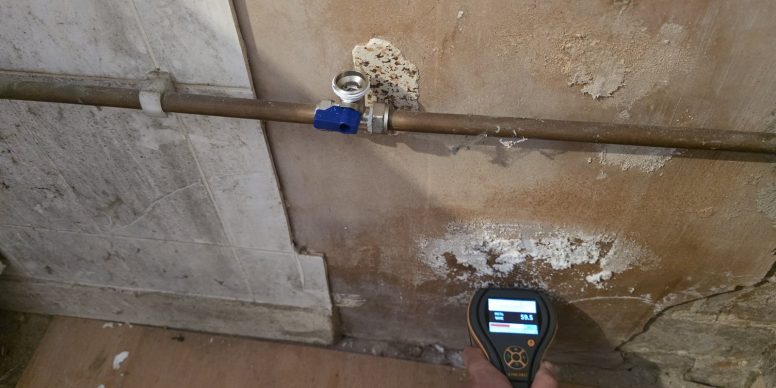
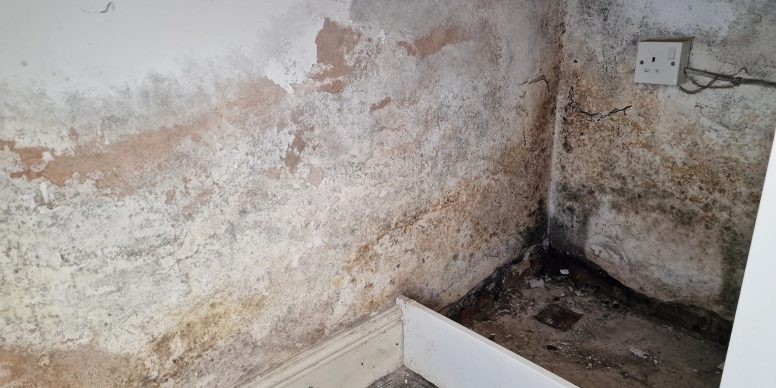
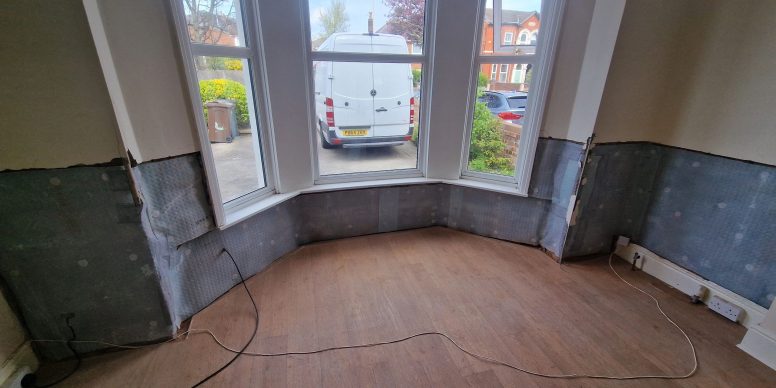
Many homeowners are surprised when they discover dampness in their property despite having a damp proof course (DPC).
One of the most common comments we hear is:
“I thought damp proof courses stopped damp, so why are my walls still wet?”
The reality is that a damp proof course is designed to prevent moisture rising from the ground. It does not stop every type of damp problem.
At NW Damp & Mould Specialists Ltd, we regularly inspect properties throughout Liverpool, Wirral, Southport and Merseyside where dampness is present despite a functioning damp proof course.
In many cases, the damp proof course is not the problem at all.
What Does a Damp Proof Course Actually Do?
A damp proof course is a barrier installed within a wall to prevent groundwater from rising through masonry.
Its job is specifically to prevent rising damp.
A damp proof course does not prevent:
- Condensation
- Penetrating damp
- Water ingress
- Plumbing leaks
- Roof leaks
- Defective render
- Defective pointing
- Bridged cavity walls
This distinction is important because many damp problems are incorrectly blamed on a failed DPC.
The Most Common Reasons Damp Appears Despite a Damp Proof Course
1. Condensation
Condensation is one of the leading causes of dampness and mould in UK homes.
It occurs when warm, moisture-laden air meets colder surfaces.
Signs include:
✔ Black mould around windows
✔ Damp corners
✔ Mould behind furniture
✔ Water droplets on glass
Many properties with condensation problems have perfectly functioning damp proof courses.
2. Penetrating Damp
Rainwater entering through external defects is another common cause of dampness.
Common defects include:
- Cracked render
- Defective pointing
- Overflowing gutters
- Roof defects
- Damaged brickwork
A damp proof course cannot stop water entering through external walls.
3. Bridged Damp Proof Course
Sometimes the damp proof course itself is not defective but has become bridged.
Common causes include:
- Raised external ground levels
- Debris within cavity walls
- External render extending below DPC level
In these cases, moisture can bypass the damp proof course and continue entering the wall.
4. Salt Contaminated Plaster
Following damp proofing works, contaminated plaster may continue attracting moisture from the air.
This is known as hygroscopic salt contamination.
The wall may appear damp even though the damp proof course is performing correctly.
5. Internal Plumbing Leaks
Hidden leaks can create damp patches that are often mistaken for rising damp.
Common examples include:
- Leaking radiators
- Defective pipework
- Shower leaks
- Overflowing tanks
Professional investigation is often required to identify these issues.
How Do You Know If Your Damp Proof Course Has Actually Failed?
True damp proof course failure is relatively uncommon compared to condensation and penetrating damp.
Signs that may indicate rising damp include:
✔ Tide marks on lower walls
✔ Salt deposits
✔ Damp skirting boards
✔ Crumbling plaster
✔ Ground floor dampness
However, these symptoms should always be professionally investigated before any treatment is recommended.
A Real Example From Liverpool
We recently inspected a property in Liverpool where the owner believed their damp proof course had failed.
The property had visible damp patches and mould growth.
Several contractors had recommended installing a new chemical damp proof course.
Following our survey, we identified the true cause as defective render and overflowing gutters.
The existing damp proof course was functioning correctly.
Once the external defects were repaired, the walls began drying naturally and no additional damp proofing was required.
Why Accurate Diagnosis Matters
One of the biggest mistakes homeowners make is assuming all dampness is rising damp.
Installing a new damp proof course will not solve:
- Condensation
- Water ingress
- Defective render
- Roof leaks
- Plumbing leaks
This is why a professional damp survey is often the most cost-effective first step.
Why Choose NW Damp & Mould Specialists Ltd?
Unlike many companies that focus solely on damp proof courses, we investigate all potential causes of moisture.
Our surveys assess:
✔ Rising Damp
✔ Penetrating Damp
✔ Condensation
✔ Water Ingress
✔ Black Mould
✔ Timber Decay
✔ Ventilation Issues
✔ External Building Defects
We believe in solving the cause of dampness, not simply treating the symptoms.
Damp Surveys Across Liverpool & Merseyside
We provide damp surveys and investigations throughout:
- Liverpool
- Southport
- Wirral
- Crosby
- Formby
- Bootle
- Maghull
- Birkenhead
- Wallasey
- Heswall
- Sefton
Whether you’re experiencing recurring dampness, mould growth or concerns about a previous damp proofing treatment, our team can help.
Need Advice About Dampness in Your Property?
If your home has a damp proof course but you’re still experiencing damp patches, mould growth or moisture problems, don’t assume the damp proof course has failed.
A professional damp survey can identify the true source of moisture and ensure the correct solution is applied.
Contact NW Damp & Mould Specialists Ltd today for expert damp investigations and long-term solutions across Liverpool, Wirral, Southport and Merseyside.