7 Signs You Shouldn’t Ignore
One of the most common questions homeowners ask when they discover dampness is:
“Do I need a new damp proof course?”
The answer may surprise you.
At NW Damp & Mould Specialists Ltd, we regularly inspect properties across Liverpool, Wirral, Southport and Merseyside where homeowners have been told they need a new damp proof course when the actual problem is something entirely different.
While damp proof courses are an effective solution for genuine rising damp, they are not designed to fix every damp problem.
Understanding the signs of rising damp and knowing when a remedial damp proof course is genuinely required can help you avoid unnecessary expense and ensure the correct solution is applied.
What Is a Damp Proof Course?
A damp proof course (DPC) is a barrier installed within a wall to prevent moisture from rising from the ground through the masonry.
Most modern properties are constructed with a damp proof course built into the wall during construction.
Older properties may have:
- No damp proof course
- A damaged damp proof course
- A bridged damp proof course
- A damp proof course that has deteriorated over time
When this barrier fails, moisture can travel upwards through the wall, resulting in rising damp.
7 Signs Your Property May Need a New Damp Proof Course
1. Tide Marks on Internal Walls
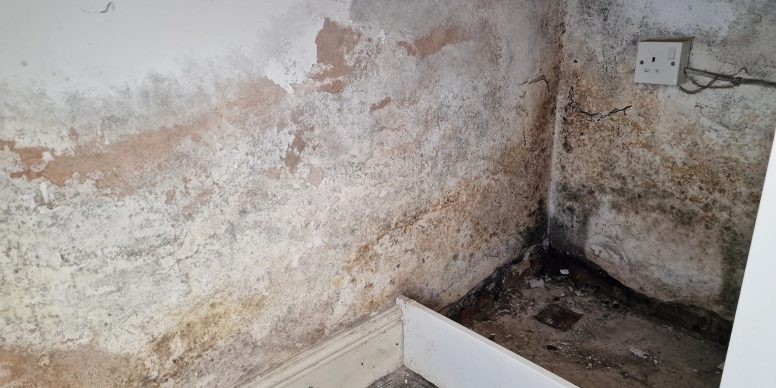
One of the most recognisable signs of rising damp is a visible tide mark.
These stains usually appear on ground-floor walls and are often found up to one metre above floor level.
2. Peeling Paint or Wallpaper
Moisture rising through walls can cause decorative finishes to fail.
Wallpaper may peel away from the wall and paint can blister or bubble.
3. Crumbling Plaster
As moisture evaporates from the wall, salts are deposited within the plaster.
Over time, this can cause plaster to break down and crumble.
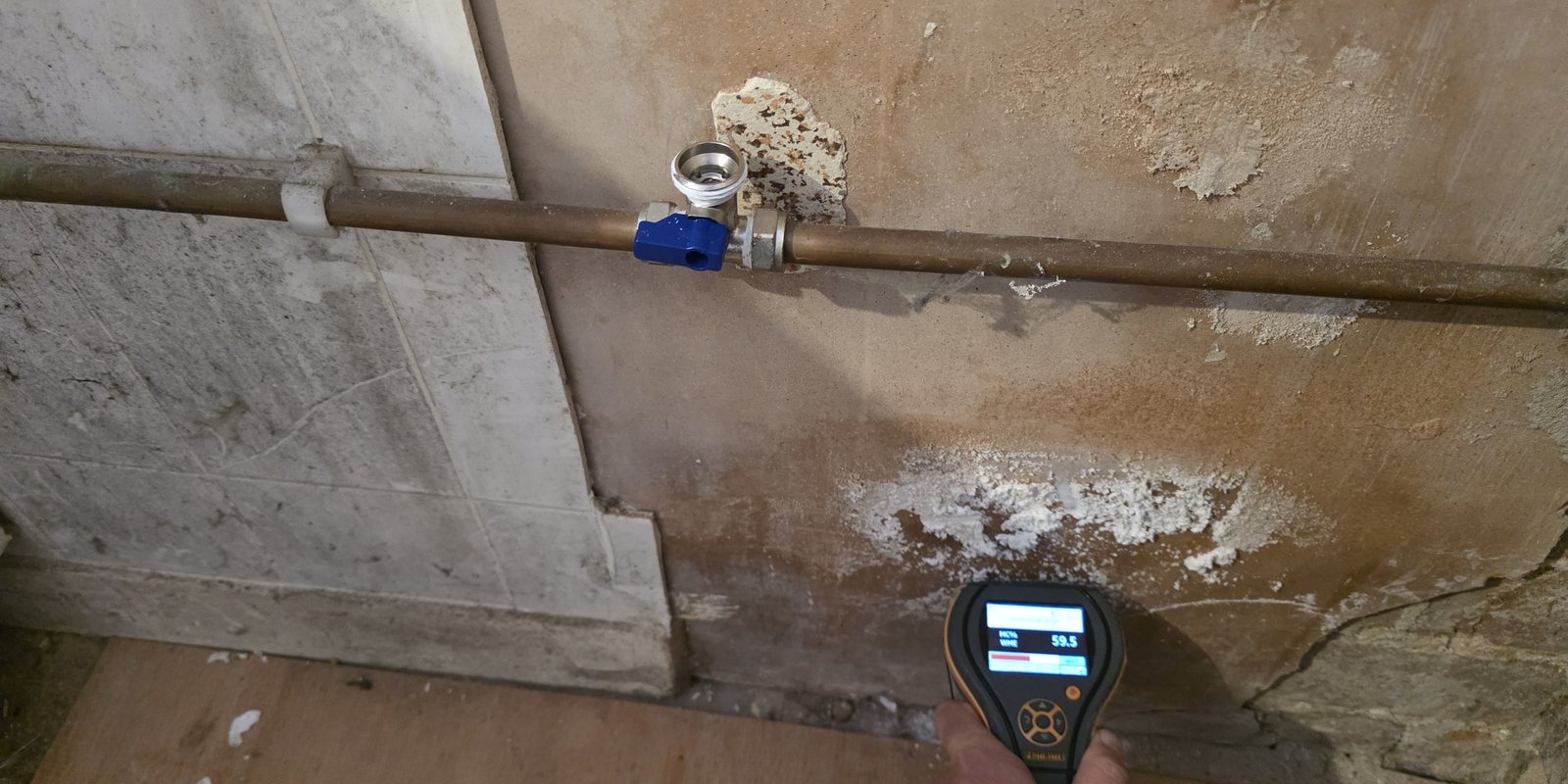
4. White Salt Deposits
Powdery white deposits on walls are often caused by salts carried to the surface by moisture.
These salts are commonly associated with rising damp.
5. Damp Skirting Boards
Timber skirting boards in contact with damp masonry may become soft, swollen or begin to rot.
6. Persistent Ground Floor Dampness
Dampness confined to the lower section of walls is often associated with rising damp.
7. Damp Returns After Decorating
If walls repeatedly show signs of dampness shortly after redecoration, further investigation may be required.
Signs You May NOT Need a Damp Proof Course
This is where many homeowners are caught out.
Not all dampness is rising damp.
Common causes of damp that are often mistaken for rising damp include:
Condensation
Condensation is one of the leading causes of mould growth and dampness in UK homes.
Penetrating Damp
Water entering through defective gutters, render, pointing or roofing can create symptoms that look similar to rising damp.
Plumbing Leaks
Leaking pipework can often mimic rising damp.
High External Ground Levels
External ground levels that bridge the damp proof course can create damp symptoms without the DPC actually failing.
This is why a proper survey is so important.
How Is Rising Damp Confirmed?
A professional damp survey should investigate:
- Moisture patterns
- External defects
- Ventilation issues
- Building construction
- Salt contamination
- Ground levels
At NW Damp & Mould Specialists Ltd, we focus on identifying the source of moisture before recommending any treatment.
What Happens During Damp Proof Course Installation?
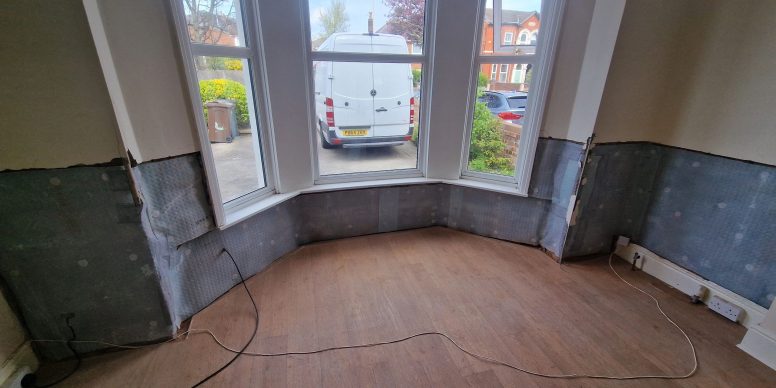
Where genuine rising damp is confirmed, treatment may involve:
Removal of Contaminated Plaster
Salt contaminated plaster is removed from affected areas.
Installation of a Remedial Damp Proof Course
A specialist damp proof cream is injected into the masonry to create a moisture barrier.
Replastering
Walls are replastered using suitable materials designed for damp proofing applications.
Redecoration
Once the walls have dried sufficiently, they can be redecorated.
A Real Example From Liverpool
We recently surveyed a property where the owner had been advised to install a damp proof course.
Following a full inspection, we discovered the dampness was actually being caused by defective render and rainwater penetration.
The homeowner avoided unnecessary damp proofing costs and instead resolved the issue by carrying out external repairs.
This demonstrates why accurate diagnosis is often more important than the treatment itself.
Why Choose NW Damp & Mould Specialists Ltd?
We believe in solving the cause of dampness, not simply treating the symptoms.
Our experienced surveyors investigate:
✔ Rising Damp
✔ Penetrating Damp
✔ Condensation
✔ Black Mould
✔ Water Ingress
✔ Timber Decay
✔ Ventilation Issues
✔ External Building Defects
This ensures our clients receive honest advice and the most appropriate solution for their property.
Damp Surveys Across Liverpool & Merseyside
We provide professional damp surveys and damp proofing services throughout:
- Liverpool
- Southport
- Wirral
- Crosby
- Formby
- Bootle
- Maghull
- Birkenhead
- Wallasey
- Heswall
- Sefton
Need Advice About Damp Proofing?
If you’re concerned your property may need a new damp proof course, contact NW Damp & Mould Specialists Ltd today.
We’ll identify the true cause of the dampness and recommend the most effective long-term solution for your home.