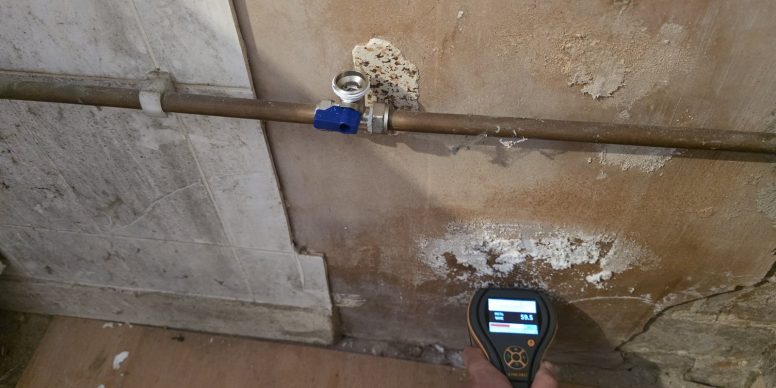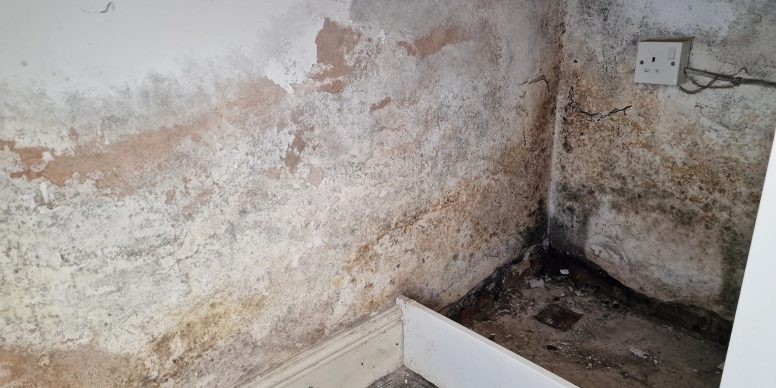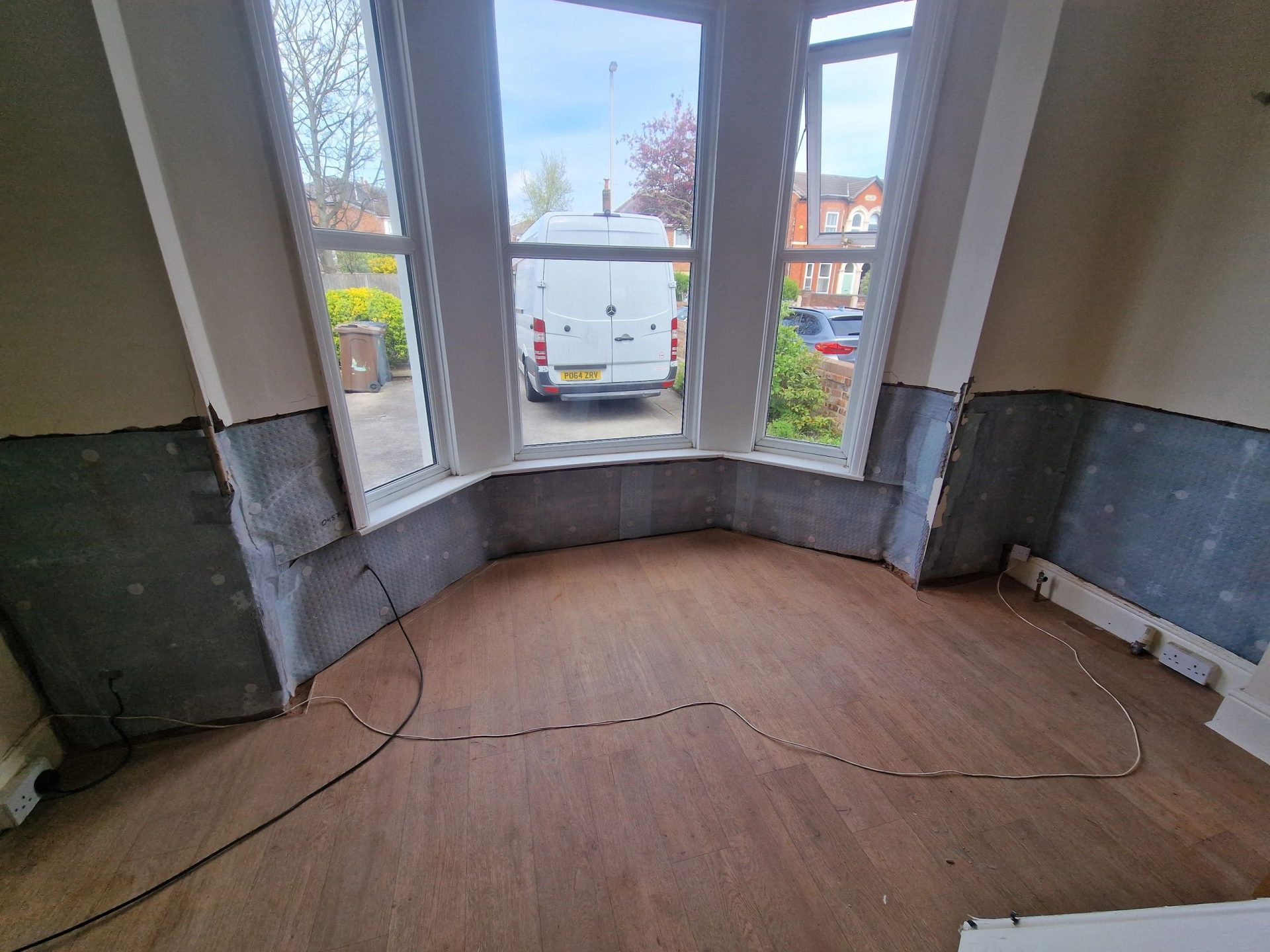
One of the most common questions homeowners ask when they discover dampness in their property is:
Can I Do My Own Damp Proofing or Should I Hire a Professional Damp Proofing Contractor?
One of the most common questions we are asked at NW Damp & Mould Specialists Ltd is:
“Can I do my own damp proofing, or should I hire a professional damp proofing contractor?”
The honest answer is that some minor damp-related maintenance can be carried out yourself, but genuine damp proofing problems often require professional diagnosis and treatment.
Unfortunately, many homeowners spend hundreds or even thousands of pounds on DIY damp proofing products only to discover the damp returns a few months later. This is usually because the source of the moisture has not been correctly identified.
In this guide, we’ll explain when DIY damp proofing may be suitable, when professional damp proofing is recommended, and how to avoid expensive mistakes.
What Is Damp Proofing?
Damp proofing is the process of preventing moisture from entering a property and causing damage to walls, floors, plaster, timber and decorations.
The most common forms of damp found in homes across Liverpool, Wirral, Southport and Merseyside include:
- Rising Damp
- Penetrating Damp
- Condensation
- Black Mould
- Water Ingress
- Wet Rot
- Dry Rot
Each of these problems has different causes and requires different solutions.
This is where many DIY damp proofing attempts fail.
Why DIY Damp Proofing Often Doesn’t Work
Many homeowners assume that all damp problems are caused by rising damp.
In reality, true rising damp is often less common than people think.
We regularly inspect properties across Liverpool and Merseyside where homeowners have:
- Painted over damp walls
- Installed DIY damp proof creams
- Applied waterproof paints
- Used anti-mould products
- Replastered affected walls
Only to discover that the actual problem was:
- Leaking gutters
- Defective render
- Bridged cavity walls
- Condensation
- Poor ventilation
- Water ingress through external walls
Treating the symptoms without identifying the root cause rarely provides a long-term solution.
Can Damp Proof Cream Be Installed Yourself?
Many DIY stores now sell damp proof creams that claim to stop rising damp.
While these products can be effective when used correctly, successful installation requires:
Accurate Diagnosis
Before any damp proof course is installed, it must be confirmed that rising damp is actually present.
Many walls diagnosed as rising damp are actually suffering from condensation or penetrating damp.
Correct Drilling Pattern
The holes must be drilled at the correct depth and spacing to ensure the cream forms a continuous barrier.
Salt Contamination Treatment
Even after a damp proof course is installed, contaminated plaster often needs to be removed and replaced.
Failing to treat hygroscopic salts can result in damp symptoms appearing to remain.
Correct Replastering
Specialist renovating plaster or membrane systems are often required following damp proofing works.
Simply skimming over affected walls may lead to further issues.
What Damp Problems Can Homeowners Often Fix Themselves?
There are several maintenance tasks that can help reduce moisture problems without requiring specialist damp proofing.
Clearing Gutters and Downpipes
Blocked gutters are one of the most common causes of penetrating damp.
Keeping gutters clean helps prevent water from running down external walls.
Improving Ventilation
Condensation and mould often occur when moisture becomes trapped indoors.
Simple improvements include:
- Opening trickle vents
- Using extractor fans
- Installing Positive Input Ventilation (PIV)
- Reducing indoor humidity
Repairing Minor Leaks
Leaking pipes and overflows should always be repaired as quickly as possible.
Repointing Small Areas
Damaged mortar joints can allow moisture to penetrate brickwork.
Localised repointing can help reduce water ingress.
When Should You Hire a Professional Damp Proofing Contractor?
Professional damp proofing is recommended whenever the cause of dampness is unknown or where structural moisture problems exist.
This includes:
Rising Damp
Professional damp surveys can determine whether a remedial damp proof course is genuinely required.
Penetrating Damp
Water ingress through walls, roofs, chimneys and render systems often requires specialist investigation.
Black Mould
Mould growth is usually caused by excessive moisture, poor ventilation or hidden defects.
Treating mould without resolving the moisture source often leads to recurrence.
Timber Rot
Wet rot and dry rot can spread rapidly through structural timbers if left untreated.
Basement Waterproofing
Cellars and basements require specialist waterproofing systems to ensure long-term protection.
The Hidden Cost of DIY Damp Proofing
Many homeowners choose DIY damp proofing in an attempt to save money.
However, failed treatments often result in:
- Replastering costs
- Additional labour
- Damaged decorations
- Continued mould growth
- Timber decay
- Repeated repair attempts
In many cases, professional treatment would have been more cost-effective from the outset.
A Real Example From Liverpool
We recently inspected a property in Liverpool where the homeowner believed rising damp was affecting a ground-floor wall.
Several DIY products had already been applied, including waterproof paint and anti-mould treatments.
Following a full survey, we discovered the actual cause was penetrating damp resulting from defective pointing and overflowing guttering.
Once the external defects were repaired, the wall began drying naturally and a damp proof course was not required.
This highlights why accurate diagnosis is often more important than the treatment itself.
Why Choose NW Damp & Mould Specialists Ltd?
Unlike many damp proofing companies, we focus on identifying the root cause of dampness rather than simply treating visible symptoms.
Our experienced surveyors investigate all potential causes including:
✔ Rising Damp
✔ Penetrating Damp
✔ Condensation
✔ Black Mould
✔ Water Ingress
✔ Wet Rot & Dry Rot
✔ Ventilation Issues
✔ Defective Render & Brickwork
We provide honest, practical advice and only recommend work where it is genuinely required.
All our work is backed by extensive industry experience and supported by long-term guarantees where applicable.
Damp Proofing Services Across Merseyside
We provide damp proofing services throughout:
- Liverpool
- Southport
- Wirral
- Crosby
- Formby
- Bootle
- Maghull
- Birkenhead
- Wallasey
- Heswall
- Ainsdale
- Sefton
Whether you’re dealing with rising damp, condensation, mould growth or water ingress, our team can help identify the cause and recommend the most effective solution.
Final Verdict: DIY Damp Proofing or Professional Damp Proofing?
DIY damp proofing can sometimes help with minor maintenance issues such as clearing gutters, improving ventilation or repairing small defects.
However, when dealing with rising damp, penetrating damp, mould growth, timber decay or recurring damp patches, professional advice is usually the safest and most cost-effective option.
The biggest mistake homeowners make is treating the symptoms rather than identifying the root cause.
A professional damp survey can often save significant time, money and frustration by ensuring the correct solution is applied from the start.
Need Damp Proofing Advice?
If you’re experiencing damp, mould, condensation or water ingress in Liverpool, Southport, Wirral or anywhere across Merseyside, contact NW Damp & Mould Specialists Ltd today for honest advice and professional damp proofing solutions.