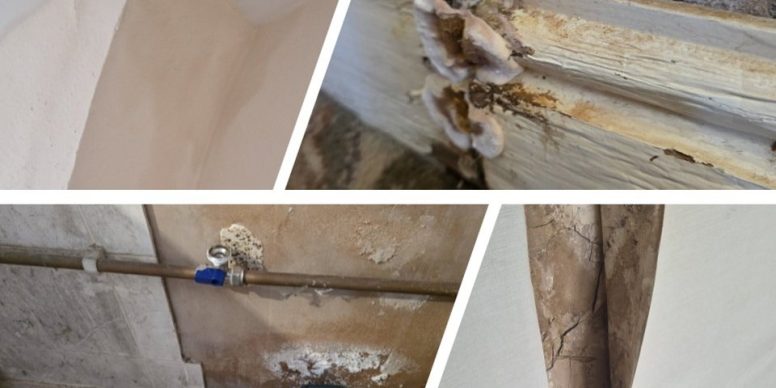
One of the most frustrating problems homeowners face is seeing black mould return again and again, despite regular cleaning.
Many people assume mould is caused by poor housekeeping, but this is rarely the case.
At NW Damp & Mould Specialists Ltd, we regularly inspect properties across Liverpool, Wirral, Southport and Merseyside where homeowners clean mould every week, only to find it returns days later.
The truth is simple:
Cleaning mould removes the symptom. It does not remove the cause.
Understanding why mould grows is the first step towards permanently solving the problem.
Why Does Mould Keep Coming Back?
Mould requires three things to grow:
Moisture
A Surface
Time
If moisture remains present within a property, mould will often return regardless of how often it is cleaned.
This is why many homeowners find themselves repeatedly wiping mould from:
- Bedroom walls
- Window reveals
- Bathrooms
- Kitchens
- Ceilings
- Behind wardrobes
- Behind sofas
Unless the source of the moisture is addressed, mould spores will continue to develop.
The Most Common Cause of Mould: Condensation
In the vast majority of homes, mould is caused by condensation.
Condensation occurs when warm, moisture-laden air comes into contact with a cold surface.
Common sources of moisture include:
- Cooking
- Showering
- Drying clothes indoors
- Breathing
- Kettles and appliances
A typical family can produce several litres of moisture every day.
Without adequate ventilation, this moisture becomes trapped inside the property.
Why Does Mould Often Appear Around Windows?
Windows are one of the coldest surfaces in most homes.
This makes them a common location for condensation and mould growth.
You may notice:
✔ Water droplets on glass
✔ Black mould around frames
✔ Damp window reveals
✔ Peeling paint
These are all signs that excess moisture is present within the property.
Why Does Mould Grow Behind Furniture?
Many homeowners are surprised to discover mould behind wardrobes, beds and sofas.
This happens because:
- Air circulation is restricted
- The wall remains colder
- Moisture becomes trapped
As a result, condensation forms behind the furniture and creates the perfect environment for mould growth.
Is Mould Dangerous?
Mould is more than just an appearance issue.
Prolonged exposure may contribute to:
- Respiratory irritation
- Asthma symptoms
- Allergies
- Coughing
- Poor indoor air quality
Young children, elderly people and individuals with existing respiratory conditions are often most affected.
For this reason, mould should never be ignored.
Why Bleach Doesn’t Solve Mould Problems
Many homeowners use bleach or anti-mould sprays.
While these products may remove visible mould staining, they rarely solve the underlying problem.
If moisture remains present:
- Mould often returns
- Spores continue to develop
- The cycle repeats
This is why some homeowners find themselves cleaning the same areas every few weeks.
How To Stop Mould Returning
Improve Ventilation
One of the most effective ways to reduce condensation is improving airflow.
This may include:
- Opening trickle vents
- Using extractor fans
- Installing Positive Input Ventilation (PIV)
- Increasing natural ventilation
Reduce Indoor Humidity
Where possible:
- Avoid drying clothes indoors
- Use lids when cooking
- Keep bathroom doors closed when showering
- Ventilate rooms regularly
Address Building Defects
Not all mould is caused by condensation.
Mould can also develop due to:
- Penetrating damp
- Roof leaks
- Defective render
- Water ingress
- Plumbing leaks
Professional investigation may be required where mould persists.
A Real Example From Liverpool
We recently surveyed a property in Liverpool where the tenant was cleaning mould from a bedroom wall every week.
The mould kept returning despite using several anti-mould products.
Following our inspection, we identified severe condensation caused by poor ventilation and restricted airflow behind a large wardrobe.
After improving ventilation and adjusting the room layout, mould growth was significantly reduced.
The problem was not cleaning.
The problem was moisture.
Why Choose NW Damp & Mould Specialists Ltd?
We specialise in identifying the root causes of mould growth rather than simply treating the visible symptoms.
Our surveys investigate:
✔ Condensation
✔ Black Mould
✔ Rising Damp
✔ Penetrating Damp
✔ Water Ingress
✔ Ventilation Problems
✔ Building Defects
Our goal is to provide long-term solutions that create healthier living environments.
Mould Removal & Damp Surveys Across Merseyside
We provide mould investigations and damp surveys throughout:
- Liverpool
- Southport
- Wirral
- Crosby
- Formby
- Bootle
- Maghull
- Birkenhead
- Wallasey
- Heswall
- Sefton
Need Help With Mould In Your Home?
If you’re constantly cleaning mould and it keeps returning, there is usually an underlying moisture problem that needs to be addressed.
Contact NW Damp & Mould Specialists Ltd today for professional advice, mould investigations and long-term solutions across Liverpool, Wirral, Southport and Merseyside.