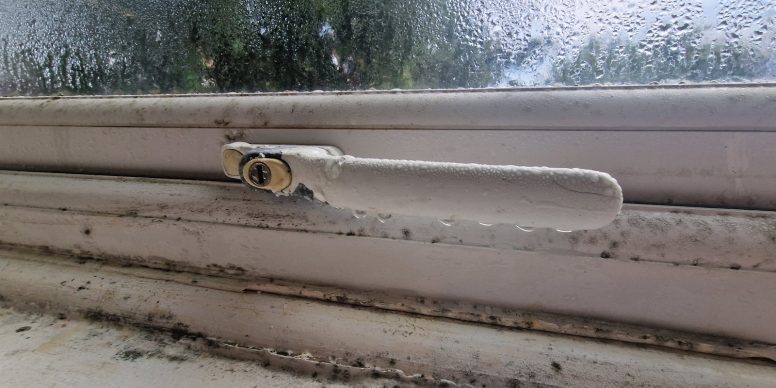
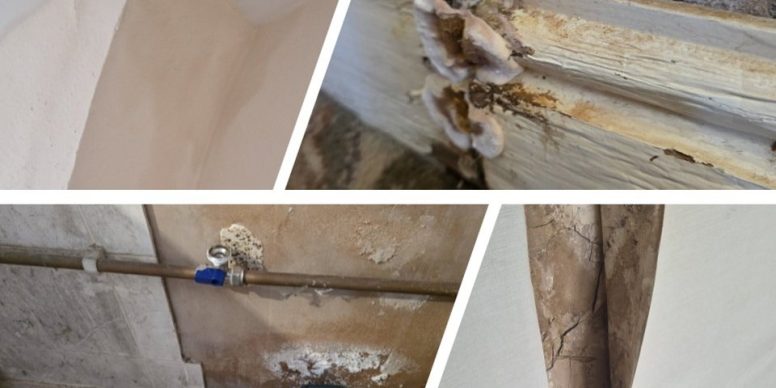
Landlords – irrespective of whether they own one or multiple homes – should adopt a proactive approach to the identification and tackling of damp and mould. This should include:
- having clear processes in place to document, manage and act on reports of damp and mould and to identify common issues and trends in their housing stock
- understanding the condition of their homes and using this to adopt a preventative approach to dealing with damp and mould, making the necessary interventions to ventilation, energy efficiency and building deficiencies before damp and mould occur
- understanding that some homes are more difficult to heat, either due to their energy efficiency or cost of living pressures, and that this can make damp and mould more likely to occur. Landlords should consider what support they can provide or signpost tenants to
- supporting tenants to understand what they can do to reduce damp and mould, where applicable and appropriate. This must never be a substitute for addressing the underlying causes of damp and mould
- building relationships with health and social care and other frontline professionals supporting tenants to ensure that every opportunity to identify tenants living in homes with damp and mould is utilised, ‘making every contact count’
- ensuring staff and any external contractors are aware of the significant health risks associated with damp and mould, the need to address the underlying causes of the issue and not just remove visible mould, are aware of any processes associated with reporting and addressing damp and mould, and understanding the importance of being sensitive to tenants’ circumstances and vulnerabilities
- building relationships with tenants, ensuring that tenants feel encouraged to report damp and mould.
https://www.gov.uk/government/publications/damp-and-mould-understanding-and-addressing-the-health-risks-for-rented-housing-providers/understanding-and-addressing-the-health-risks-of-damp-and-mould-in-the-home–2