Worried about dry rot in Liverpool or Southport? Learn how to detect, prevent, and treat dry rot in Merseyside properties before it causes serious damage.
What Is Dry Rot?
Dry rot is one of the most destructive wood fungi found in UK homes, particularly in damp regions like Merseyside. Caused by Serpula lacrymans, dry rot feeds on the cellulose in timber, weakening structures from the inside out. It spreads quickly in moisture-prone environments, especially in older homes commonly found across Liverpool, Southport, and surrounding Merseyside towns.
Despite the name, dry rot actually thrives in damp, poorly ventilated areas, making it a major concern for homeowners and property managers throughout the region.
Why Is Dry Rot Common in Liverpool and Southport?
Dry rot is especially common in coastal and humid regions like Liverpool and Southport due to several contributing factors:
- Older brick properties with timber joists and beams
- High humidity levels from proximity to the coast and River Mersey
- Frequent rain and damp winters in the North West
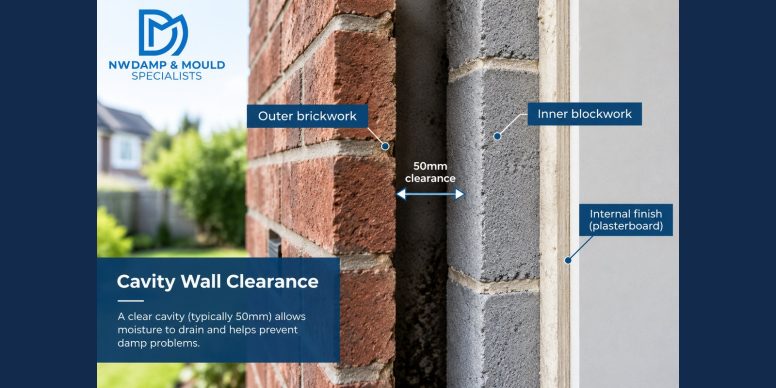
- Historic homes with outdated damp-proofing and blocked sub-floor ventilation systems
If you live in a Victorian terrace in Liverpool or a traditional cottage in Southport, your home may be at higher risk.
Signs of Dry Rot in Merseyside Homes
Here are some telltale signs of dry rot that homeowners in Merseyside should watch out for:
- Musty or mushroom-like smell in walls or floors
- Crumbling or shrinking timber around windows, skirting boards, or roof spaces
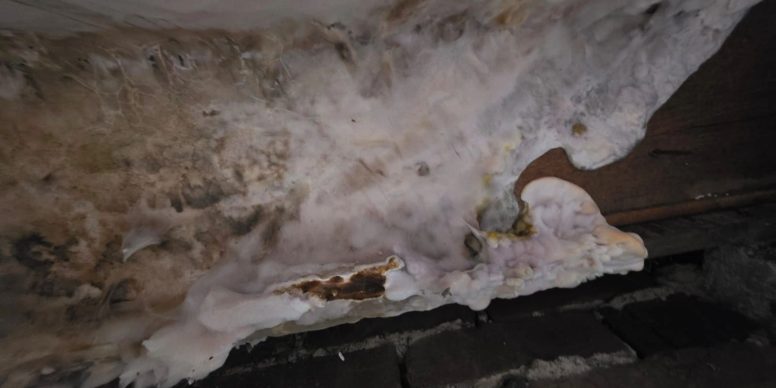
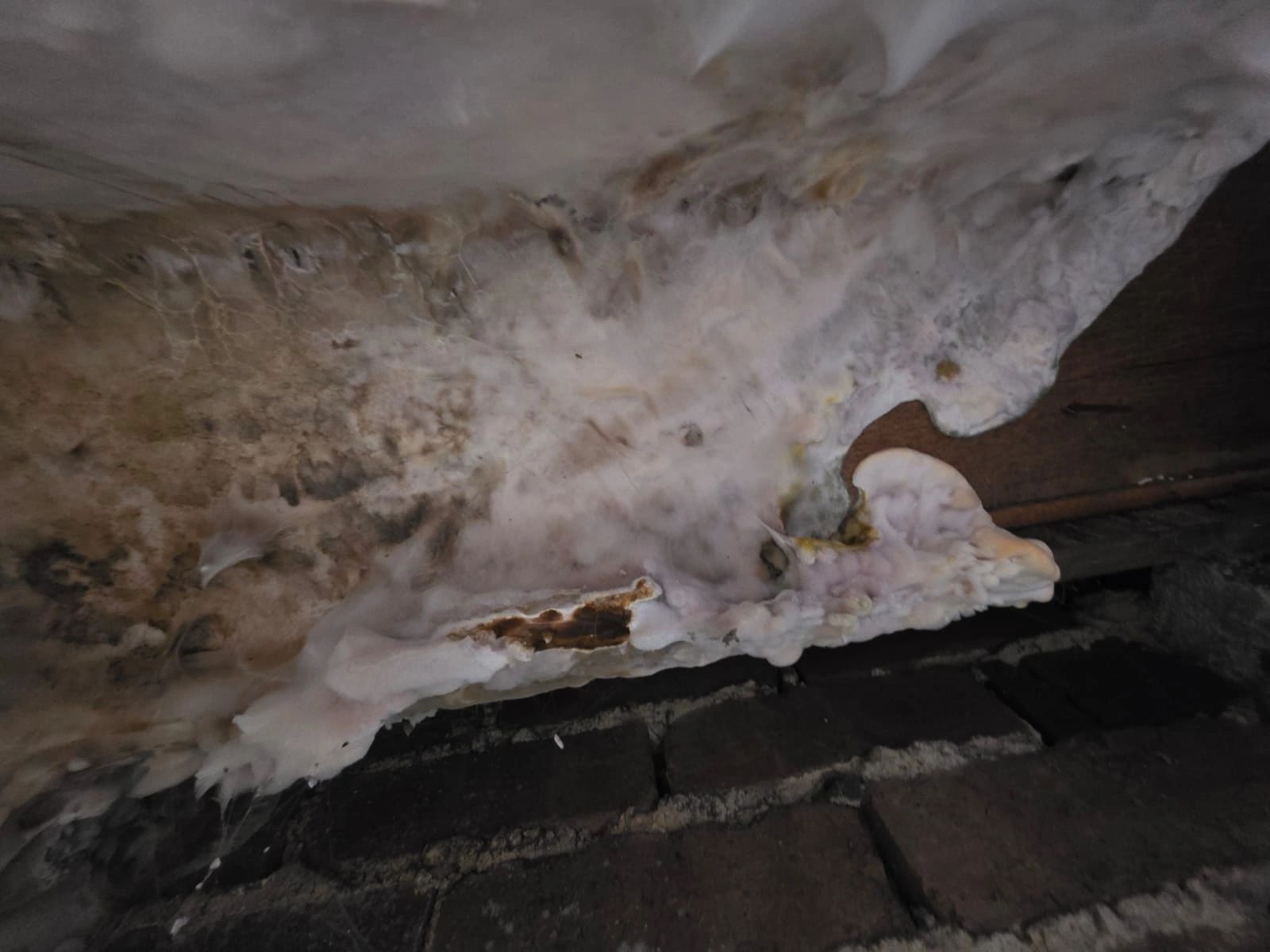
- Rusty-red spore dust or grey skin-like growth on timber
- Cracked or warped paint on wooden surfaces
- Deep wood fractures with a ‘cuboidal’ appearance
- White, cotton-like mycelium spreading across brickwork or plaster
If you notice any of these signs, it’s time to get a professional dry rot survey. Call us today to book a survey.
How to Prevent Dry Rot in Liverpool and Southport Properties
Prevention is key when it comes to dry rot, especially in older properties typical of Merseyside. Here’s how you can keep it at bay:
- Repair leaks promptly – Check roofing, guttering, and plumbing regularly, especially after heavy rainfall.
- Improve airflow – Install vents in lofts, crawl spaces, and under suspended timber floors.
- Use a dehumidifier – Helps maintain healthy moisture levels, particularly in cellars and basements.
- Inspect timber structures – Focus on high-risk areas like floor voids, attics, and bay windows.
- Ensure proper drainage – Poor ground drainage in gardens can lead to rising damp and rot.
Professional Dry Rot Treatment in Merseyside
If dry rot is already present, it’s important to act fast as dry rot can spread up to 30cm a month. Treatment typically includes:
- Removing and replacing decayed wood
- Applying professional fungicidal treatments
- Improving ventilation and damp-proofing
- Repairing the source of moisture
Hiring a local dry rot specialist in Liverpool or Southport ensures the problem is fully resolved and doesn’t return. We offer damp proofing and timber preservation in Merseyside with detailed surveys, reports, and guaranteed treatments.
Don’t Let Dry Rot Damage Your Property
Whether you’re a homeowner in Southport, a landlord in Liverpool, or managing a property anywhere in Merseyside, or across the North West, dry rot is a problem you can’t afford to ignore. Left untreated, it leads to costly structural repairs and potential health risks due to mould and damp.
Get a professional dry rot survey in Merseyside today to protect your investment and your home’s safety.
Need Help?
If you’re looking for trusted dry rot treatment in Liverpool, Southport, or wider Merseyside, contact us today as early detection and treatment could save you thousands.
Call 07970-611154 now.